AI · · 4 min read
What AI can't do — 6 common misconceptions, cleared up
AI is powerful, but not all-powerful. Here are the six most common misconceptions about what artificial intelligence can and can't do — and why they matter.
By Mediseo
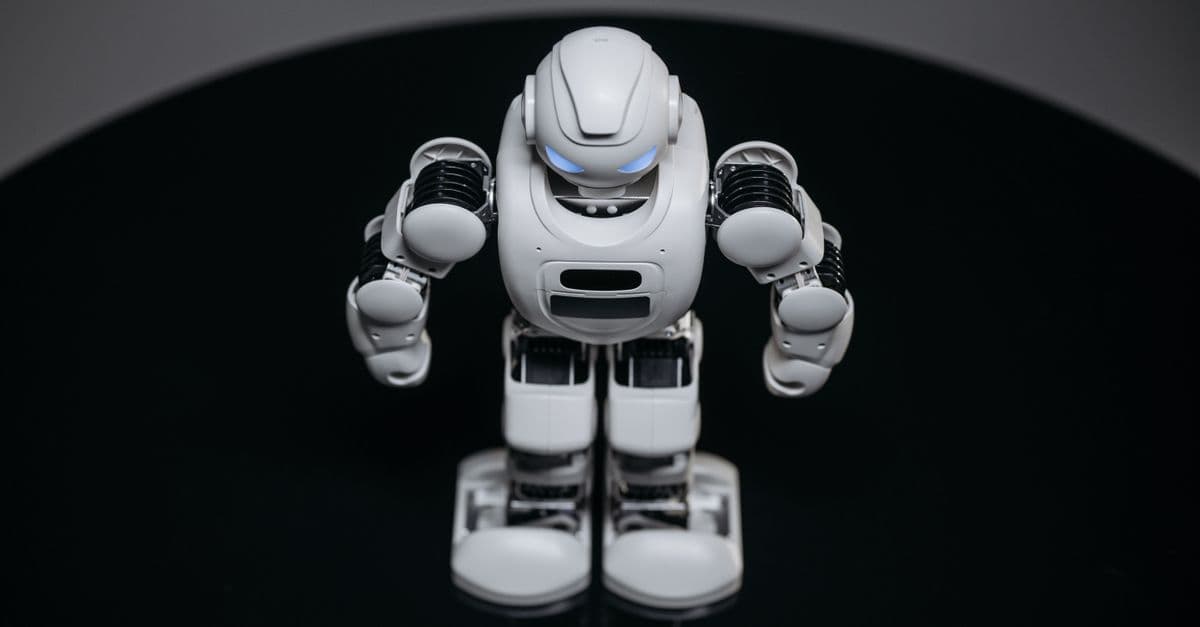
Most of what gets written about AI lands in one of two ditches: either it can soon do everything, or it's just an overhyped parrot. The truth is more useful and more boring. Here are six things AI genuinely can't do — and why it's worth knowing before you put it to work.
1. It doesn't know what's true
AI produces the most likely answer, not the true answer. Usually the two are the same — but not always. When they diverge, the AI has no way to notice on its own. It writes a false claim with exactly the same confidence as a correct one.
This isn't a fault you can patch away; it follows from how the technology works. The practical answer is simple: keep a human, or a trusted source, between the AI and any decision where the facts have to be right.
2. It doesn't understand what it writes
An AI can write a beautiful sentence about grief without having felt grief, and explain empathy without having a single feeling. It recognises patterns in how people use words, and reproduces them convincingly. But there's no understanding behind it — no experience, no opinion, nobody home.
For most tasks that doesn't matter. But it explains why you shouldn't ask an AI to take responsibility for anything: there's no one there to carry it.
3. It can't do what it hasn't seen
AI is good at what closely resembles its training data, and quickly weaker as it moves outside that. Ask it something very specific to your industry, your region or your business, and you'll often get a general answer that sounds right but misses what applies to you in particular.
That's why the most valuable AI solutions in a business are rarely a raw chatbot. They're connected to your documents, your procedures and your data — so the answer actually concerns your reality, not the average of the internet.
4. It has no common sense or judgement
AI can do a task that needs three doctorates, then trip over something a seven-year-old handles. It lacks the broad, lived experience people use to judge whether an answer makes sense in context. It can suggest something technically correct that's obviously inappropriate to the situation — because it doesn't know the situation, only the text.
That's why it's a poor fit for tasks that need judgement: a difficult customer conversation, a sensitive HR matter, an ethical call. A human should handle those.
5. It doesn't teach itself while you use it
A common misconception: that the AI "gets smarter" from the conversations it has with you, all by itself. In most setups, it doesn't. It can remember within a single conversation, but starts fresh next time unless someone has deliberately built in memory.
For a system to genuinely improve over time — from your data, on your tasks — is something that has to be designed on purpose. It doesn't happen for free just because you chat with it a lot.
6. It isn't free to deploy properly
It's free to try a chatbot. It isn't free to turn one into something you can safely let loose on your customers. The gap between "looks impressive in a demo" and "reliable enough for production use every day" is where most of the effort lives: connecting it to the right sources, setting boundaries, testing against real examples, and making sure a human approves anything that matters.
That isn't an argument against AI. It's just the difference between a toy and a tool.
So what can it do, then?
The list above can seem discouraging, but the point is the opposite. Once you know where the limits are, you can use AI for what it's genuinely exceptional at: the dull, repetitive, pattern-based tasks that eat hours. Draft emails. Summaries of long documents. Sorting enquiries. First versions of text. Research that otherwise takes half a day.
The smart approach isn't to ask "can AI do this?", but "which part of this is routine — and which part needs a human?". Let the tool take the routine, and let your people spend their judgement on the rest. That's roughly what we help businesses work out in practice.
Frequently asked questions
Can AI replace my staff?
Usually not. It's good at the repetitive parts of a job, but poor at judgement, accountability and relationships. Most people use it to remove the time-sinks so the team gets more done — not to cut headcount.
Why does AI sometimes get things so confidently wrong?
Because it produces the most likely answer, not the true one, and has no sense of its own uncertainty. A mistake looks exactly like a correct answer. That's why important answers should be checked against a source or by a human.
Do all these limitations mean AI isn't worth it?
No. It just means it has to be pointed at the right task and set up properly. Used where it's strong — repetitive, pattern-based work — it saves real time. The problems come from expecting it to do everything.