AI · · 3 min read
Seven common mistakes small businesses make with AI — and how to avoid them
Most AI disappointments in small businesses come from the same few mistakes. Here are the seven most common ones — and what to do instead to get real value.
By Mediseo
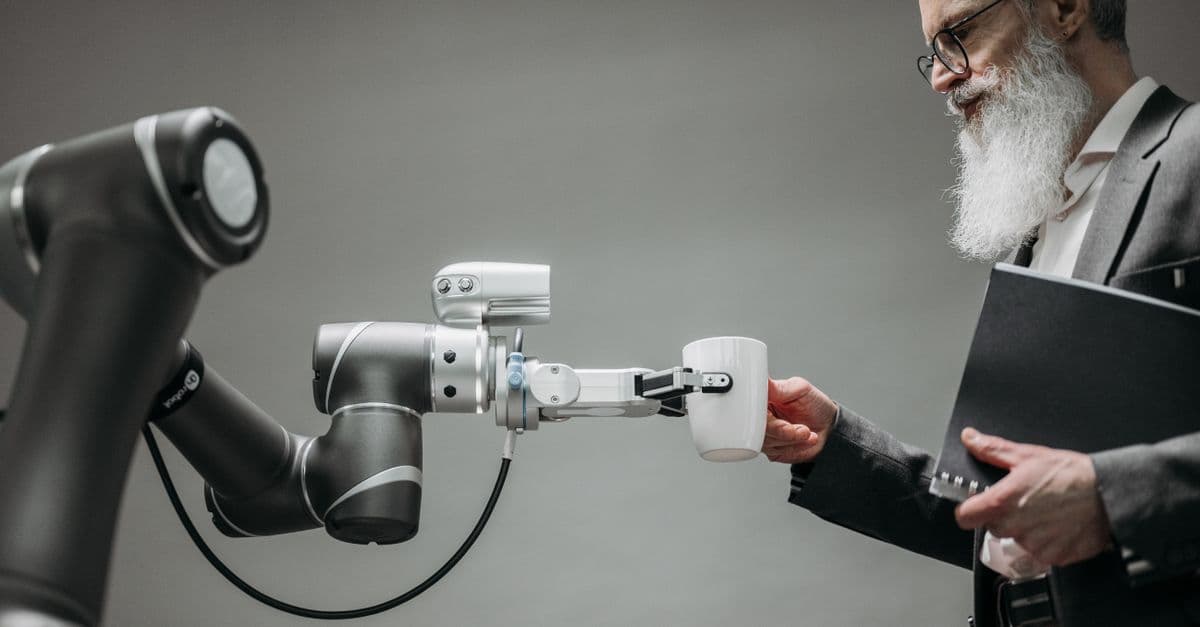
When AI fails to deliver in a small business, it is rarely the technology's fault. It is almost always one of the same handful of mistakes, recurring. Here they are — and what you can do differently.
1. Buying AI just to "have AI"
The most common mistake is starting with the technology instead of the problem. "We should do something with AI" leads to a workshop, a presentation, and little else.
Turn it around. Start with one concrete task that costs time, and ask whether AI is the right tool for that specific job. AI is a means, not an end.
2. Beginning with the hardest task
Many want to prove the value by taking on the most complicated process first. That makes the project large, slow, and easy to fail at.
Start with something that happens often, follows a pattern, and causes no chaos if it slips a little. A small, repetitive task pays off from week one — and you learn what AI can actually handle before betting on something that matters more.
3. Letting AI send anything without a human seeing it
AI gets things wrong. It misreads, makes things up, and misses edge cases — and it sounds just as confident when it is wrong as when it is right.
So anything touching customers, money or legal matters should pass through a human before it goes out. AI writes the draft; a human owns the content. The human in the loop is not a temporary crutch until the technology improves; it is part of the design.
4. Pasting sensitive data into open tools
The most common security slip is pure habit: staff pasting customer details, contracts or HR data into the free tier of an open AI tool.
A few ground rules:
- Personal data and commercially sensitive material do not belong in open tools without a data processing agreement.
- Use business versions with agreements in place — not personal accounts.
- Write a simple one-page rule for what staff can and cannot paste in.
This is general guidance, not legal advice. Your obligations under data protection rules depend on the kind of data you handle.
5. Expecting AI to save you whole salaries
Sales brochures promise that AI cuts headcount. In practice it almost never does, not in a small business.
What actually happens is that you get more done with the people you have, because they stop spending time on the boring 70 per cent. That is a better story than redundancies — and a truer one. Expect freed-up time, not layoffs.
6. Forgetting that data has to be tidy
AI on messy data is an expensive error machine. If price lists, routines and answers are scattered across outdated documents — or live only in the head of whoever has worked there longest — AI cannot learn from them.
Often the most important preparation is not technical at all. It is writing down the knowledge that exists, so a solution actually has something to build on.
7. Believing the job is done at launch
An AI solution without maintenance gets gradually worse — quietly and imperceptibly. Models update, routines change, and cases nobody foresaw always turn up.
A one-off project with no plan for upkeep is a half-finished project. Set aside time and budget for tuning, or the value you paid for erodes.
The common thread
Notice that none of these mistakes is about AI being bad. They are about expectations, order and discipline. The businesses that succeed do it undramatically: they pick one task, build thin, keep a human in the loop, and expand once something has proven itself.
We have written more about which tasks are suitable in what AI actually costs a small business. If you would like to know which of these mistakes is easiest to stumble into in your particular business, you are welcome to book a quick call.