AI · · 5 min read
AI marketing in practice — what an AI-driven marketing engine looks like
What AI marketing actually looks like in practice — the four-part engine, where humans stay in the loop, common failure modes, and honest costs in NOK.
By Mediseo
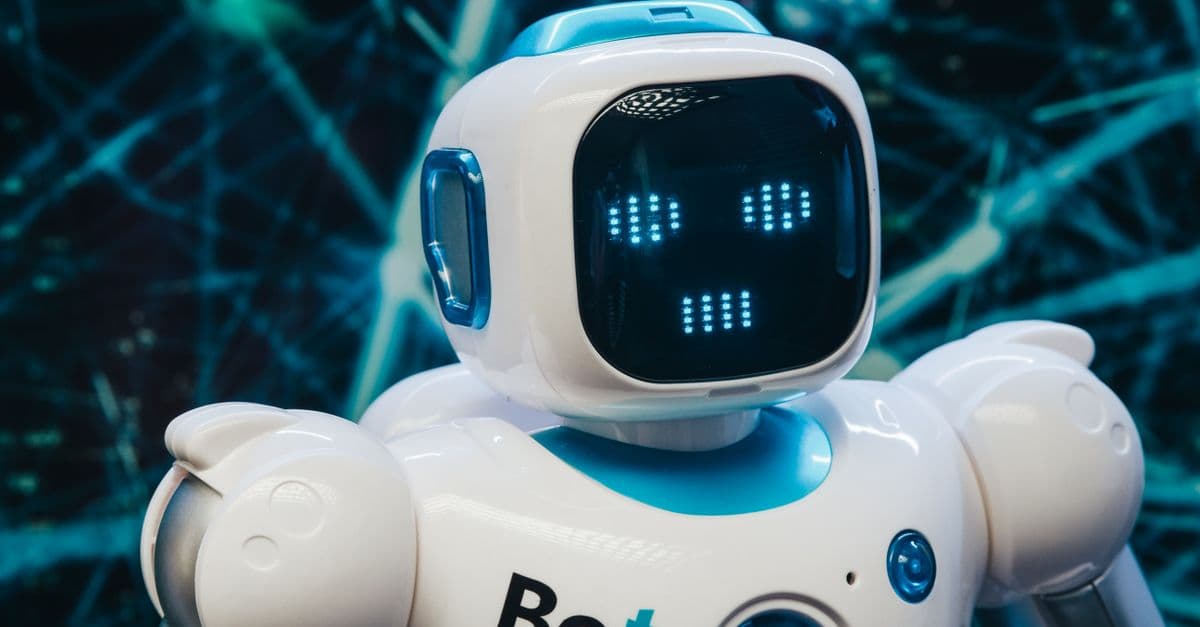
AI marketing isn't one magic button — it's an engine with four parts: research, production, distribution and measurement. Set up properly, it does work that used to require a whole team, at a cost from NOK 5,500/month with an agency, or from NOK 5,200/year if all you want is social media on autopilot. But the engine doesn't drive itself. AI without human direction produces content that looks like everyone else's — and content that looks like everyone else's is invisible.
The short version
- AI marketing is a system, not a tool. Research, content production, distribution and measurement connected in one workflow.
- Humans own the strategy. AI does the volume work; a human sets direction, approves output and interprets the numbers.
- The two most common failures: generic content, and brand drift — your tone sliding a little further away from you every month.
- Honest pricing: ongoing agreements from NOK 5,500/month, ad management fees NOK 4,400–4,990/month, social media on autopilot NOK 5,200/year.
- AI has limits. It's good at patterns and volume, bad at facts, judgement, and knowing what's embarrassing.
What AI marketing is — and what it isn't
AI marketing means artificial intelligence does a large share of the operational work: research, drafts, variants, publishing and analysis. It does not mean a robot "runs your marketing". The distinction matters, because a lot of what's sold under the AI label is, in practice, a text generator with a cheerful disposition.
A useful compass: AI is good at volume and patterns. It can write fifty ad variants, work through a thousand search queries and keep a publishing calendar without getting bored. Humans are good at judgement. What's right to say, what's wise to promise, and what actually separates your business from the one next door — the model doesn't know any of that. It has never met your customers.
The engine: research, production, distribution, measurement
This is what an AI-driven marketing engine looks like when it works:
1. Research. AI analyses what your customers actually search for, which questions they ask, and what's moving in your industry. This is the foundation for everything that follows — and it's the step many skip, jumping straight to production and missing.
2. Production. Built on that research, AI produces drafts: articles, ad copy, social posts, emails. The key word is drafts. Good output depends on a clear, documented description of your tone and knowledge — without it, you get text that could have been written for anyone.
3. Distribution. Content goes out where it belongs: website, social channels, email list, ad accounts. Technically this is the easiest part — and the most dangerous one to run without an approval step. More on that shortly.
4. Measurement. The engine gathers numbers from every channel in one place: what was seen, clicked, and turned into enquiries. Those numbers feed back into the research step, and the engine gets a little smarter every cycle.
Each part can be automated on its own. The value shows up when they're connected — that's the difference between owning a tool and running a workflow.
Where humans stay in the loop
Three places where a human should always sit in the workflow:
- Strategy. Who you want to reach, what you offer and what you never say — that's not an AI task. AI executes; it doesn't choose direction.
- Approval. Everything published in your name should pass a human eye. It doesn't have to take time: in our Alltid synlig service, you approve every post with one click before it goes out.
- The numbers. AI can report that your cost per click dropped. Why it dropped, and whether it matters for your revenue, takes a human who knows the business.
The most common failure modes
Generic content. The most common mistake, and the most expensive. Without concrete knowledge of your business, AI writes the same thing it writes for everyone else — correct, polite and entirely forgettable. The result is content that neither customers nor Google has any reason to prefer.
Brand drift. A sneakier version of the same problem. Each individual piece looks fine, but the tone slides a little every month, and after six months your business sounds like a different company. The fix is a documented voice and regular review — not hope.
Publishing without control. Automatic publishing with no approval step means the first people to spot a mistake are your customers. One human click is cheap insurance.
Facts without verification. Language models can phrase things convincingly that simply aren't true. Prices, dates and factual claims should always be checked by a human. This isn't a teething problem the next model version will fix — it's a property you have to plan around.
What does AI marketing cost?
| Level | Price | Best for |
|---|---|---|
| Alltid synlig — a self-serve app for social media on autopilot | NOK 5,200/year | Businesses that want visibility with minimal effort |
| AI-driven advertising | Meta NOK 4,400/month (first month NOK 2,200), Google Ads NOK 4,990/month | Businesses that want paid traffic with hands-on management |
| Ongoing marketing | From NOK 5,500/month | Businesses that want the full engine: content, campaigns and measurement |
| Growth sprint | NOK 21,900/month | Businesses that want the engine built fast, across channels |
Note that advertising management fees don't include the ad budget itself — that goes straight to Google or Meta, with no markup from us. The full budget picture, including how spend and fees fit together, is in what marketing costs for a small business. The complete price list is on our pricing page.
How to get started
Don't build the whole engine at once. Start with the part that costs you the most time today — for most small businesses, that's content and social media, where a fixed weekly rhythm of AI drafts and human approval is the natural first step. We've written a concrete recipe in how to automate your marketing.
And one honest caveat to finish: no engine, however clever, can guarantee results. What AI marketing can do is get more of the work done, more often and more cheaply — so your effort actually compounds over time. If you'd like to see what that could look like for your business, read about how we work with marketing or book a short call. We promise an honest assessment, not a magic button.