SEO · · 3 min read
Titles and meta descriptions that actually get clicks
You can rank high and still get few visits. Your titles and meta descriptions decide whether people click. Here is how to write ones that earn that click.
By Mediseo
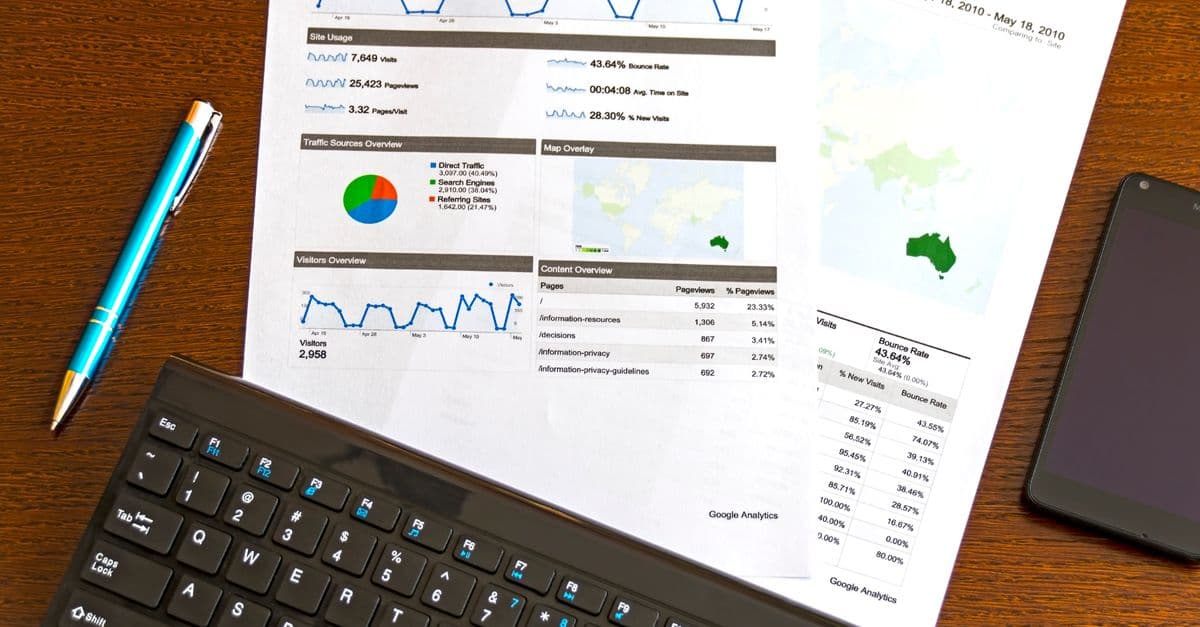
You can sit in first place on Google and still get surprisingly few visits. The reason is often simple: your title and description give no good reason to click.
What they actually are
Two small pieces of text decide how your page looks in the search results:
- The title (title tag) is the blue, clickable headline.
- The meta description is the short grey text beneath it.
Together they are your shop window in Google. You can have the best content on the page, but if the window looks dull, people walk past to the next result.
Why they matter more than people think
When several businesses sit side by side in the results, it is the titles and descriptions that decide who gets clicked. Two pages can rank equally, but the one with a clearer, more tempting title wins the traffic.
It is also worth knowing that Google notices whether people actually click your result. A title that draws clicks therefore helps you indirectly over time. You improve two things at once: how many people visit, and how the page is perceived.
How to write a good title
A strong title does three things at once: it says what the page offers, includes the word people search for, and gives a reason to choose you in particular.
A few simple principles:
- Keep it a readable length. If the title is too long, Google cuts it off mid-sentence. Get the important part in early.
- Put the keyword near the start. It helps both the reader and Google see the relevance quickly.
- Be specific, not vague. "Plumber in Bergen — 24-hour callout and fixed price" beats "Welcome to us".
- Avoid every page sharing the same title. Each page should have its own clear title.
How to write a meta description that sells
The meta description does not rank you directly, but it convinces the reader to click. Think of it as a short advert for the page.
Write one or two sentences that answer the question in the reader's mind: "Is this what I am looking for?" Mention the benefit, be clear about what the page offers, and end with a gentle invitation to click. Write naturally — this is read by a human, not an algorithm.
One small point: Google sometimes chooses its own text instead of yours. That is fine. You write the description to give Google a good option, not to force that exact text through.
A common mistake to avoid
Many people let their website system fill in titles and descriptions automatically. The result is often identical, meaningless text across the whole site — or no description at all.
Go through your most important pages and give each one its own considered title and description. It is one of the quickest improvements you can make, and it needs neither new tools nor technical skill.
Test it yourself
Search for what your most important page is about. Look at your own result next to the competitors. Would you click on yourself, or on them? That answer tells you fairly precisely how much work remains.
When titles and descriptions are written with care, you often pull more visits out of the ranking you already have — without touching the content itself.
If you would like help sharpening your shop window in Google, you can read more about how we approach SEO.