Konvertering · · 3 min read
Landing pages that convert – the anatomy that works
A landing page has one job, yet most try to do everything. Here's how to build a page around a single goal, from the first hook down to the final button.
By Mediseo
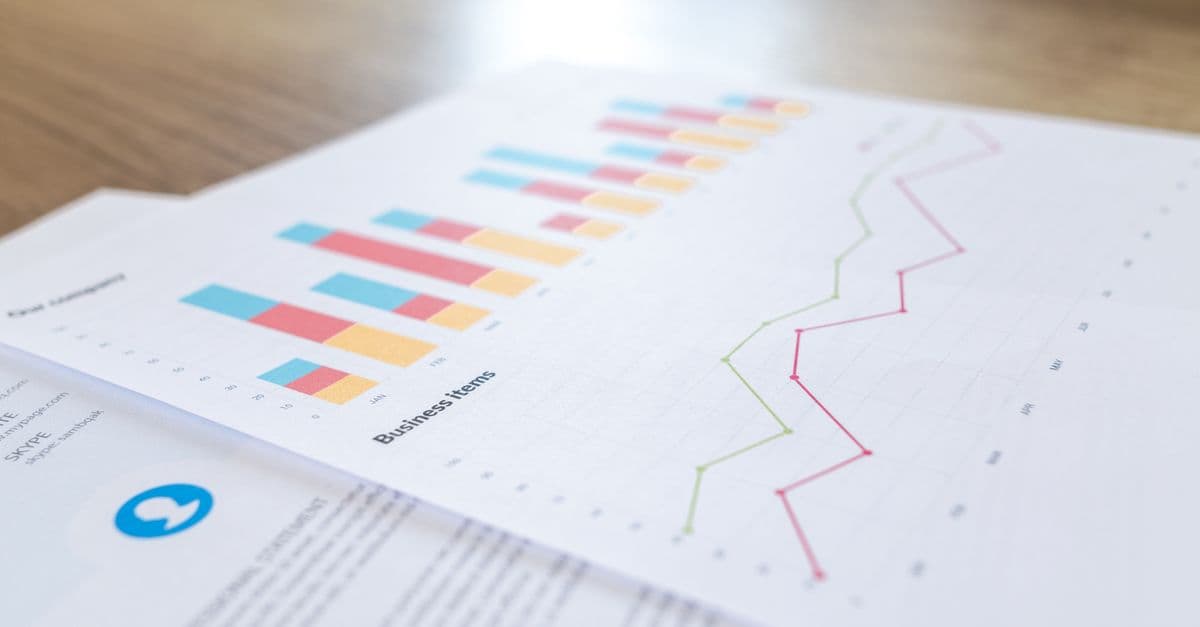
A landing page has one job: to get the visitor to do one specific thing. Yet most try to do everything at once.
The difference between a homepage and a landing page is exactly this. The homepage is a lobby with many doors. The landing page is a corridor with one door at the end.
One page, one goal
The first principle is focus. A landing page that wants to sell product A, introduce the team, show blog posts and collect newsletter sign-ups all at once does none of them well.
Decide on the goal before you write a single word. Should the page collect sign-ups? Sell one product? Book a call? Everything else on the page should support that goal or be removed.
A useful move: consider removing the main menu. On a clean landing page, navigation is often just an exit. Fewer ways out means more people stay on the one way forward.
The anatomy, top to bottom
Most landing pages that work follow a recognisable order:
- Headline that says what the offer is, clearly and concretely
- Subheading that adds one more sentence of detail
- An image or a short video that shows, not just tells
- The most important benefit first, not a list of features
- Proof – concrete results, numbers, recognisable names
- A clear action repeated where it makes sense
The order isn't a fixed rule, but the logic is: catch attention, explain the value, build trust, ask for the action.
Write the headline for the customer, not for yourself
The headline is what people read before deciding to stay or leave. The most common mistake is making it about the business, not the customer.
"We are Norway's leading provider of …" says something about you. "Get the accounts done before the deadline, without lifting a finger" says something about the customer's life. The second almost always wins.
Talk about the problem you solve, in the words the customer would use to describe it themselves.
Match the ad to the page
If the traffic comes from an ad or a search, the landing page has to answer exactly what people clicked on. If the ad promises "free shipping calculator" but the page talks about something else entirely, people leave immediately.
This is called message match, and it's underrated. The simplest conversion improvement is often just making sure the headline on the page reflects what drew people there in the first place.
Remove anything that doesn't help
Every link, every extra field and every "while we have you here" block is a new chance to lose people. On a landing page, less is almost always more.
Go through the page and ask of each element: does this help the visitor towards the goal? If not, consider removing it. A tidy page with one clear path converts better than a busy page with many.
Mobile first, properly
Most people will see your landing page on a phone. That means it doesn't just have to "work" on mobile – it has to be built for it.
- The button should be within thumb's reach
- The headline should be readable without zooming
- The page should load fast on a poor mobile connection
- The form should be short enough to finish at a bus stop
A landing page that looks great on a screen but is heavy on a phone loses most of its visitors before they've even read the headline.
Measure, then adjust
Once the page is live, it isn't finished. Look at how many land and how many act. Are people dropping off before they reach the button? Then something is wrong further up.
A landing page is rarely perfect from day one. It gets better because you watch the numbers and make small, deliberate changes over time.
Build the page around one yes, remove everything in the way of it, and make it easy to say. If you'd like help tightening a page that isn't delivering, we're happy to look at it with you.