Nettsider · · 3 min read
WordPress explained simply — what it is and when it fits
What is WordPress, really, and when is it the right choice for your website? A down-to-earth look at its strengths, weaknesses and what to weigh up first.
By Mediseo
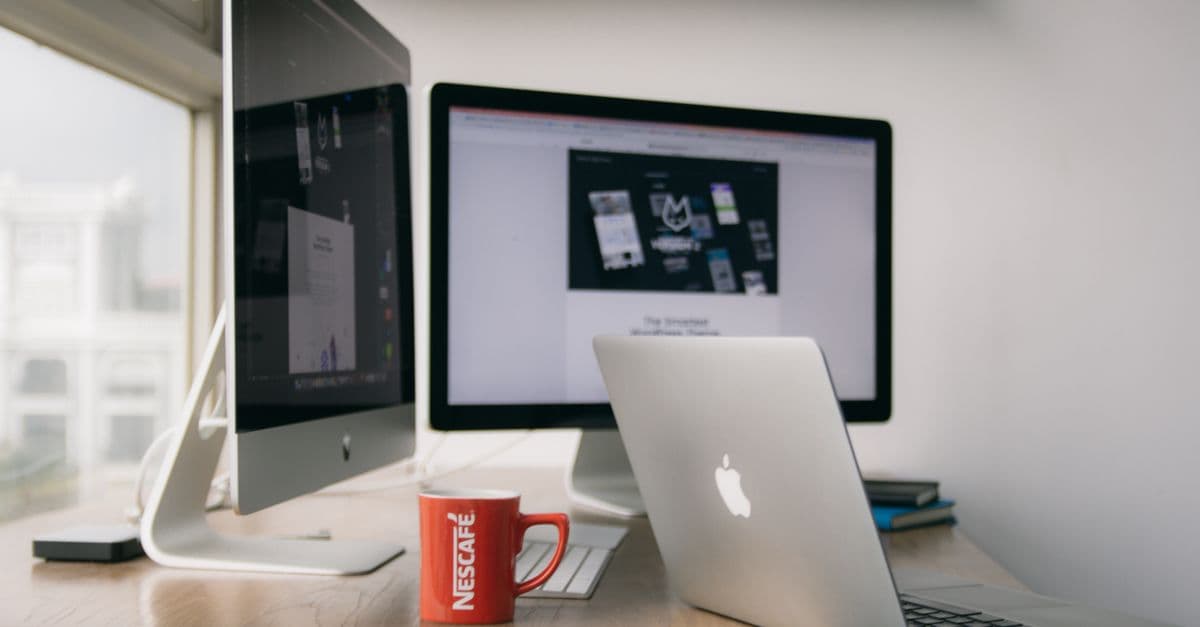
WordPress powers a large share of the world's websites, yet most people aren't quite sure what it is. Here is the explanation without the technical jargon.
What WordPress actually is
WordPress is a system for creating and managing the content on a website — what's known as a content management system. Instead of writing code every time you want to change some text or add a page, you log into a control panel and edit everything there.
It comes in two versions, and the difference confuses a lot of people:
- WordPress.org is the self-hosted version. You download the software for free and install it on your own hosting. You own everything and can change everything.
- WordPress.com is a paid service where hosting is included, but you have fewer options to customise.
When people in the industry say "WordPress", they almost always mean the self-hosted .org version.
Why so many people use it
WordPress became popular for a reason: it's flexible, and there's plenty of help available.
- A large ecosystem. There are thousands of themes (design) and plugins (features) — everything from contact forms to online shops to booking calendars.
- You own your website. With the self-hosted version, you hold the files and the database yourself. You're not locked to a single provider.
- Easy to find help. Because so many people use it, there are developers, guides and forums everywhere. You don't become dependent on one particular agency.
- It scales with you. A simple five-page business site and a large content site can both be built on the same foundation.
Where WordPress falls short
That flexibility has a flip side. WordPress is not maintenance-free.
- Updates. The core system, themes and plugins need updating regularly — otherwise the site becomes vulnerable. That's someone's job, or yours.
- Security. Because it's so widespread, it's also a popular target. A neglected WordPress site is a risk.
- Slower without care. Too many plugins can make a site sluggish if no one tidies up. Speed takes deliberate choices.
- Quality varies. A cheap theme from an unknown source can cause problems later. You get what you pay for.
None of these is a knockout argument. They're simply reasons why someone should be responsible for the upkeep.
When WordPress fits
WordPress is often a good choice when:
- You publish a lot of content regularly — blog, news, articles.
- You want to own your website and not be locked to a single platform provider.
- You need features that exist as ready-made plugins, sparing you from building from scratch.
- You have someone — in-house or an agency — who looks after updates and security.
When something else may be better
There are also cases where WordPress isn't the obvious choice:
- If your main aim is to sell products online, a dedicated shop platform is often simpler to run.
- If you want a very basic site you'll barely touch, a lighter solution may be less to maintain.
- If you need something highly bespoke, a custom build can give you more control.
In short
WordPress is a mature, flexible system that suits many — especially those who publish content and want to own their solution. The key requirement is that someone takes responsibility for upkeep and security over time.
If you're unsure whether WordPress fits your particular business, it's wise to talk through the need before you choose.